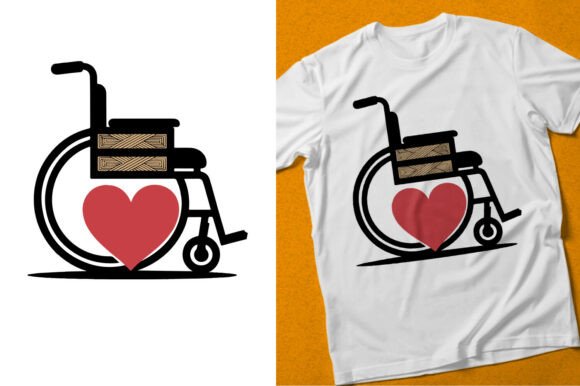
Wheelchair Awareness T-Shirt: Design for Inclusion
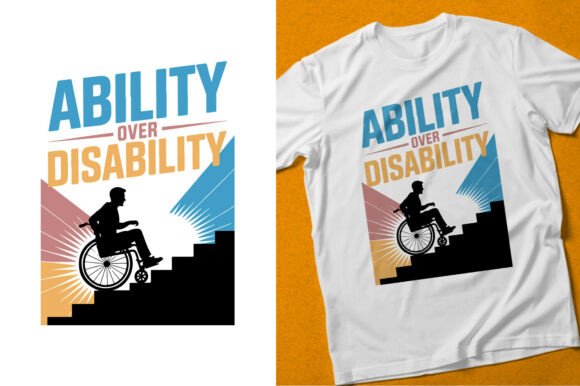
Design has the power to shift perspectives, and few projects carry as much weight and potential for positive change as creating apparel centered on disability awareness. When you approach a Wheelchair Awareness Disability T-Shirt project, you are not merely placing a graphic on fabric; you are crafting a visual statement that advocates for accessibility, dignity, and inclusion. For creators, small business owners, and educators, these designs offer a unique opportunity to merge artistic skill with social impact. The goal is to move beyond generic symbols and create something that resonates deeply with the community it represents while appealing to a broader audience ready to support equality.
The core of any successful awareness campaign lies in its ability to communicate clearly without sacrificing style. A well-executed design serves as a conversation starter, breaking down barriers and fostering empathy. Whether you are a print-on-demand seller looking for your next best-seller or a non-profit organizer planning an event, the utility of high-quality vector assets cannot be overstated. Having access to files in SVG, EPS, AI, and PNG formats ensures that your vision remains crisp whether it is printed on a small sticker or a large tote bag. This versatility allows you to maintain professional standards across various merchandise, ensuring the message of empowerment is never lost to pixelation or poor scaling.
Expanding the Creative Horizon Beyond the Basics
While the international symbol of access is universally recognized, relying solely on the standard icon can sometimes limit the emotional reach of your design. To truly level up your creative projects, consider how typography, color theory, and composition can elevate the narrative. A Disabilities Awareness Day T-shirt design becomes far more compelling when it integrates motivational typography or subtle artistic flourishes that reflect the diversity of the human experience. Think about using bold, clean fonts that convey strength and stability, paired with softer elements that suggest kindness and acceptance.
Variation is key to keeping the message fresh. You might explore minimalist approaches where a single line art wheelchair speaks volumes through simplicity, or opt for vibrant, sublimation-ready patterns that celebrate neurodiversity and physical differences simultaneously. For those working with scrapbooking or digital products, these assets can be layered with textures and backgrounds to create journals, planners, or social media graphics that promote daily mindfulness about accessibility. The objective is to create work that feels intentional and respectful, avoiding clichés in favor of authentic representation.
Practical Applications for Diverse Audiences
The utility of these designs extends far beyond casual wear. Educators can utilize these graphics to create classroom materials that teach young students about empathy and the importance of an inclusive world. By incorporating these images into worksheets, posters, or reward charts, teachers can normalize discussions about disability from an early age. Similarly, corporate HR departments and diversity officers can use branded merchandise during Disability Inclusion workshops to foster a sense of unity among employees. When staff members wear shirts that explicitly state "Respect All Abilities" or feature an empowering accessibility symbol, it reinforces the company's commitment to a supportive culture.
For entrepreneurs and freelancers, the commercial potential is significant but requires a strategic approach. Print-on-demand sellers can target specific niches such as occupational therapy clinics, adaptive sports teams, or advocacy groups. Creating coordinated collections that include mugs, tote bags, and stickers alongside t-shirts allows customers to fully immerse themselves in the cause. A customer buying a shirt for a family member might also appreciate a matching decal for their car or a mug for their office, creating a cohesive brand experience. Ensure your mockups display these items in realistic settings to help buyers visualize the final product.
- Event Merchandise: Perfect for walks, runs, and galas dedicated to raising funds for accessibility initiatives.
- School Projects: Ideal for student councils organizing awareness weeks or inclusivity clubs.
- Therapy Tools: Use decals and cards in occupational or physical therapy settings to encourage patients.
- Social Media Content: High-resolution PNGs with transparent backgrounds are essential for creating engaging digital posts and stories.
- Personal Expression: Allows individuals to proudly display their identity or allyship in a stylish, non-confrontational way.
Technical Excellence and File Versatility
The quality of your output is directly tied to the quality of your source files. Working with 300 DPI high-resolution assets ensures that every curve and letterform prints sharply, regardless of the substrate. Vector formats like AI and EPS are indispensable for professional printers, allowing for infinite scalability without loss of detail. This is particularly important for large-format printing on banners or bulk orders for organizations. Meanwhile, the inclusion of mockup files helps streamline your marketing workflow, enabling you to present your designs to clients or upload them to marketplaces with minimal setup time.
Compatibility is another crucial factor. Ensuring your designs work seamlessly with industry-standard software like Adobe Illustrator and Photoshop removes technical friction from the creative process. This allows you to focus on customization—changing colors to match brand guidelines, adjusting text for specific events, or combining elements to create entirely new compositions. The flexibility to edit source files means you are not stuck with a static image; you have a dynamic toolkit ready to adapt to any project requirement.
Building a Culture of Empathy Through Design
Ultimately, the value of a Wheelchair Awareness Disability T-Shirt lies in its ability to inspire change. Every time someone wears these designs, they are making a silent yet powerful declaration that accessibility matters. It challenges observers to think about the physical and social environments we share and encourages a shift toward greater understanding. As a creator, your role is to facilitate this connection by providing designs that are not only visually appealing but also emotionally resonant.
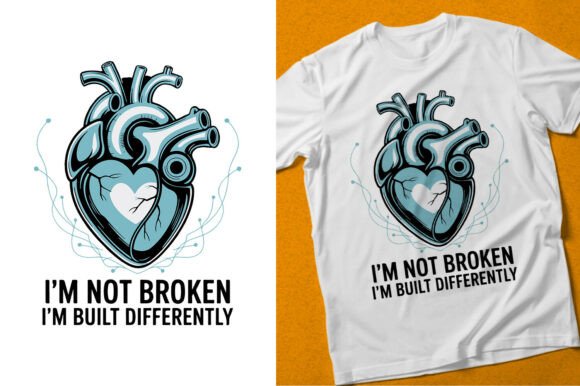
When curating your portfolio or selecting designs for your next campaign, prioritize authenticity. Avoid pity-based messaging and instead focus on empowerment, capability, and pride. Phrases like "Kindness Matters" or "Inspire Change" coupled with strong imagery create a positive feedback loop that uplifts everyone involved. Remember that these products are tools for advocacy. Whether used for personal expression or commercial resale, they contribute to a larger movement toward a more inclusive world where differences are celebrated rather than hidden.
To maximize the impact of your projects, keep your organization consistent. Tag your files logically, maintain a library of color palettes that adhere to accessibility standards (ensuring high contrast for readability), and always review your final proofs with a critical eye. By treating each project with professionalism and care, you ensure that the message of disability pride is delivered with the clarity and respect it deserves. This thoughtful approach not only enhances your reputation as a designer but also amplifies the vital cause you are supporting.