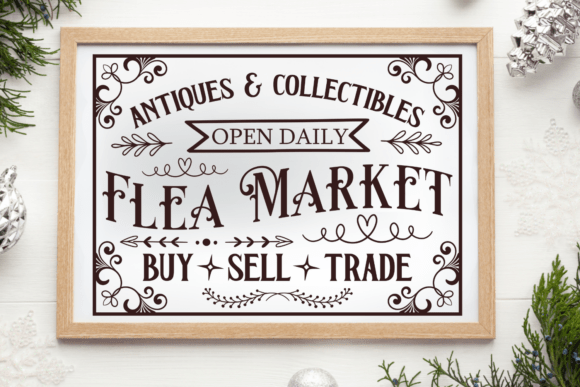
Antiques Collectibles Open Daily Flea Market Guide
There is a distinct rhythm to walking through an Antiques Collectibles Open Daily Flea market that you simply cannot replicate online. The air smells of old paper, polished wood, and sometimes stale coffee. The lighting varies from booth to booth, casting long shadows over glass cabinets filled with porcelain dolls or stacks of vinyl records. For many, this environment represents more than just a place to shop; it is a living archive of history, a treasure hunt for the creative soul, and a viable business model for the savvy entrepreneur. Whether you are a weekend hobbyist looking for a unique conversation piece or a professional reseller scanning for undervalued assets, understanding how to navigate these daily markets is essential.
The concept of a daily open flea market differs significantly from the traditional weekend-only event. By operating every day, these venues create a consistent flow of inventory and foot traffic. This consistency changes the dynamic for everyone involved. Dealers restock more frequently, serious collectors visit during off-peak hours to avoid crowds, and crafters find a reliable source of raw materials for their projects. The Antiques Collectibles Open Daily Flea becomes a hub of continuous activity rather than a sporadic occurrence, demanding a different strategy for those who wish to make the most of it.
Why Different Audiences Value the Daily Market
The appeal of these markets is not monolithic; it shifts dramatically depending on who is walking through the gates. What drives a retiree to spend an Tuesday morning browsing booths is vastly different from what motivates a twenty-something interior designer or a small business owner.
For beginners and casual consumers, the primary draw is often the thrill of the find and the potential for a bargain. They may not know the difference between mid-century modern and Art Deco, but they recognize quality when they see it. Their priority is usually ease of use and affordability. They want to walk in, find something charming for their home, and walk out without needing a degree in art history. A daily market suits them because they can pop in after work or during a lunch break, making the hobby fit into a busy schedule without requiring a whole weekend commitment.
Conversely, professional resellers and entrepreneurs view the Antiques Collectibles Open Daily Flea as a supply chain. Their focus is on commercial value and speed. They are evaluating items based on resale potential, condition, and the margin they can achieve on platforms like eBay or Etsy. For them, the "daily" aspect is critical. It allows them to monitor inventory turnover and snag items before competitors do. They are less concerned with the aesthetic charm of an object and more concerned with its brand, era, and structural integrity. A cracked handle on a teapot might be a dealbreaker for a collector but a minor repair job for a flipper who knows how to restore it.
Creativity and the Maker Community
A growing segment of the flea market audience includes creators, crafters, and DIY enthusiasts. These individuals often look past the finished product to see the raw potential within. An old window frame isn't just glass and wood; it's a future photo display or a greenhouse panel. Vintage lace becomes embellishment for a wedding dress. Broken jewelry provides components for new designs.
For this group, flexibility and creativity are the top priorities. They evaluate items based on how easily they can be repurposed. A daily market is particularly valuable here because it offers a steady stream of diverse materials. A crafter working on a specific theme, such as rustic farmhouse décor, can visit multiple times in a week to gather enough matching pieces to complete a large project. Unlike big-box stores where supplies are uniform, the flea market offers one-of-a-kind elements that ensure the final product is truly unique.
Consider a blogger or content creator focusing on upcycling. They need a constant rotation of interesting items to keep their audience engaged. The Antiques Collectibles Open Daily Flea serves as an endless content generator. One day they might film a restoration of a vintage lamp; the next, they are styling a shelf with found books and curiosities. The reliability of daily operations means they never run dry on ideas or props.
Educational Value and Historical Preservation
Educators and historians approach these markets with a lens of preservation and learning. For them, the market is a tactile classroom. Handling objects from different eras provides insights into manufacturing techniques, social trends, and economic shifts that textbooks cannot convey. A teacher might visit to find primary sources for a history lesson, while a student of design might study the evolution of typography on old signage.
Their evaluation criteria center on authenticity and learning value. They are willing to pay a premium for items with provenance or those that clearly illustrate a specific historical narrative. The daily nature of the market allows them to build relationships with dealers who specialize in certain periods, turning the transaction into an educational exchange. These interactions often yield stories behind the objects, adding layers of meaning that enhance their utility in an educational setting.
Practical Strategies for Success
To truly benefit from an Antiques Collectibles Open Daily Flea, you must align your approach with your goals. Here is how different users can optimize their visits:
- The Weekend Warrior: If you only have weekends free, arrive early. The best picks are often gone by noon. Focus on broad categories that catch your eye rather than a specific checklist.
- The Reseller: Visit mid-week when traffic is lower. Dealers may be more willing to negotiate prices to move inventory before the weekend rush. Bring tools like calipers, magnets, and a flashlight to inspect items thoroughly on the spot.
- The Crafter: Look for "damaged" goods. Items with minor flaws are often priced significantly lower but can be perfect for parts or painting. Build a rapport with vendors who sell bulk lots of buttons, fabrics, or hardware.
- The Collector: Consistency is key. Visit regularly to learn the rotation patterns of specific dealers. If you are looking for something niche, let the dealers know; they often hold items aside for regular customers.
Evaluating Quality and Long-Term Usefulness
Regardless of your role, assessing the quality and long-term usefulness of an item is universal. In a daily market, inventory moves fast, so decisions must be made quickly. Ask yourself: Is this well-made? Will it last? Does it serve a purpose in my life or business?
For the homeowner, long-term usefulness might mean durability and timeless style. For the freelancer selling digital designs inspired by vintage aesthetics, the "usefulness" might be the visual reference the object provides. A vintage poster might not end up on their wall, but its color palette and composition could inspire a whole series of SVG cutting files for t-shirts and mugs. This cross-pollination between physical antiques and digital creation is a hallmark of the modern creative economy.
Ultimately, the Antiques Collectibles Open Daily Flea is a versatile ecosystem. It supports the preservation of the past while fueling the innovations of the present. Whether you are there to buy, sell, trade, or simply observe, the value you derive depends entirely on how well you understand your own needs and the unique opportunities the market presents. By approaching each visit with intention and an awareness of what different stakeholders seek, you transform a simple shopping trip into a strategic and rewarding experience.